%2Ffit-in%2F250x250%2Fusers%2F67559bf6-c7d2-44d3-81eb-0889b7642257%2Fimages%2F998f5c2a-a56d-4c9b-b9e5-f5c954c4cb7a.jpg&w=1920&q=100)
/users/67559bf6-c7d2-44d3-81eb-0889b7642257/ratecard/b5450563-1318-4d19-a7bb-b189e616ff85.jpg)
%2F300x300%2Fusers%2F67559bf6-c7d2-44d3-81eb-0889b7642257%2Fratecard%2Fb5450563-1318-4d19-a7bb-b189e616ff85.jpg&w=256&q=75)
%2Ffilters%3Aformat(webp)%2F300x300%2Fc2753fa8-b0ac-4b5c-b43a-067957fae1d3%2Freport%2Fsocial%2Fimages%2Freport%2Fcaught_big_one_having_247436.png&w=256&q=75)
Premier Cape Coral Inshore Fishing | Sea Shift

 Cape Coral, FL
What you will be catching:
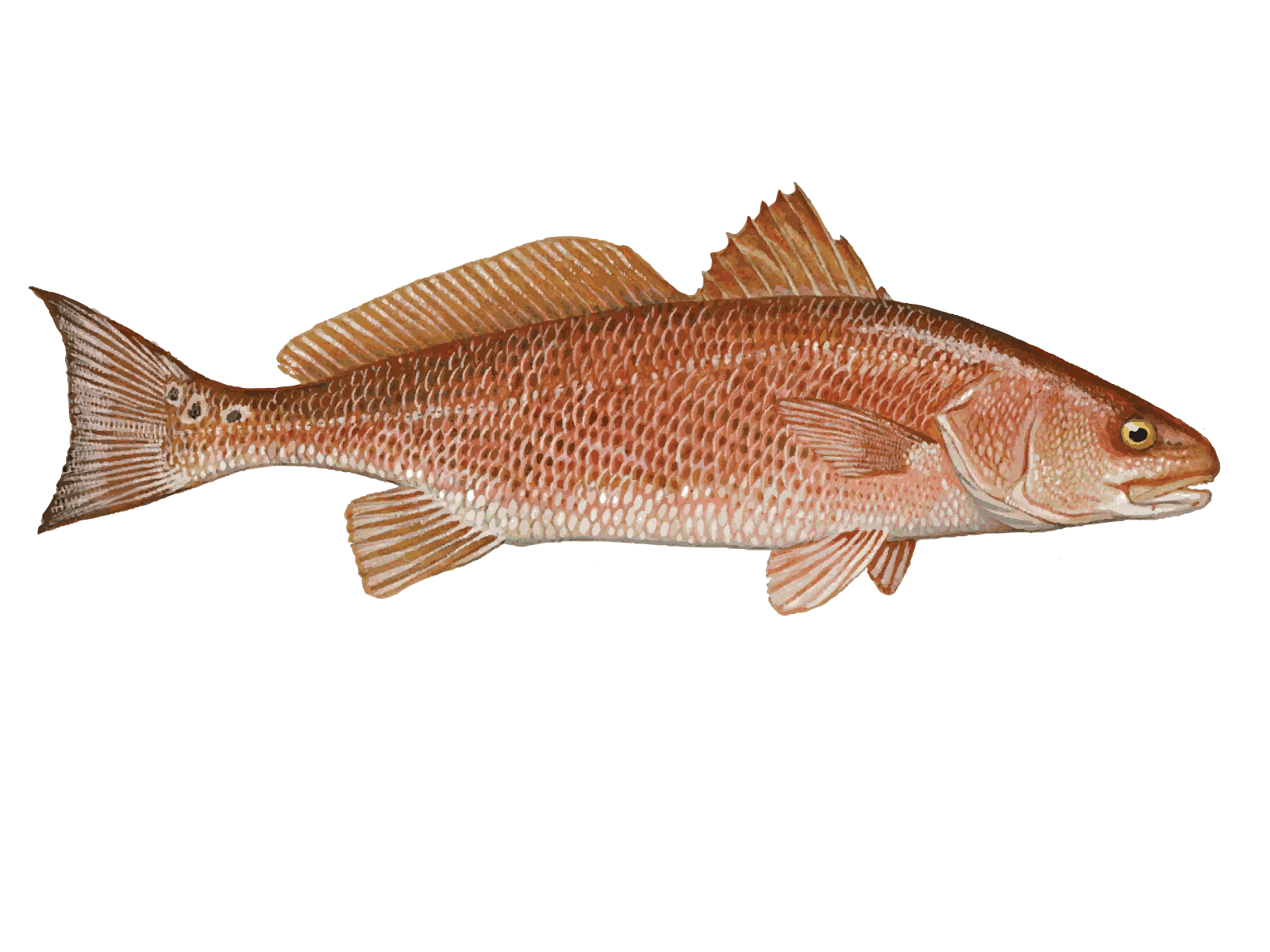
 Redfish
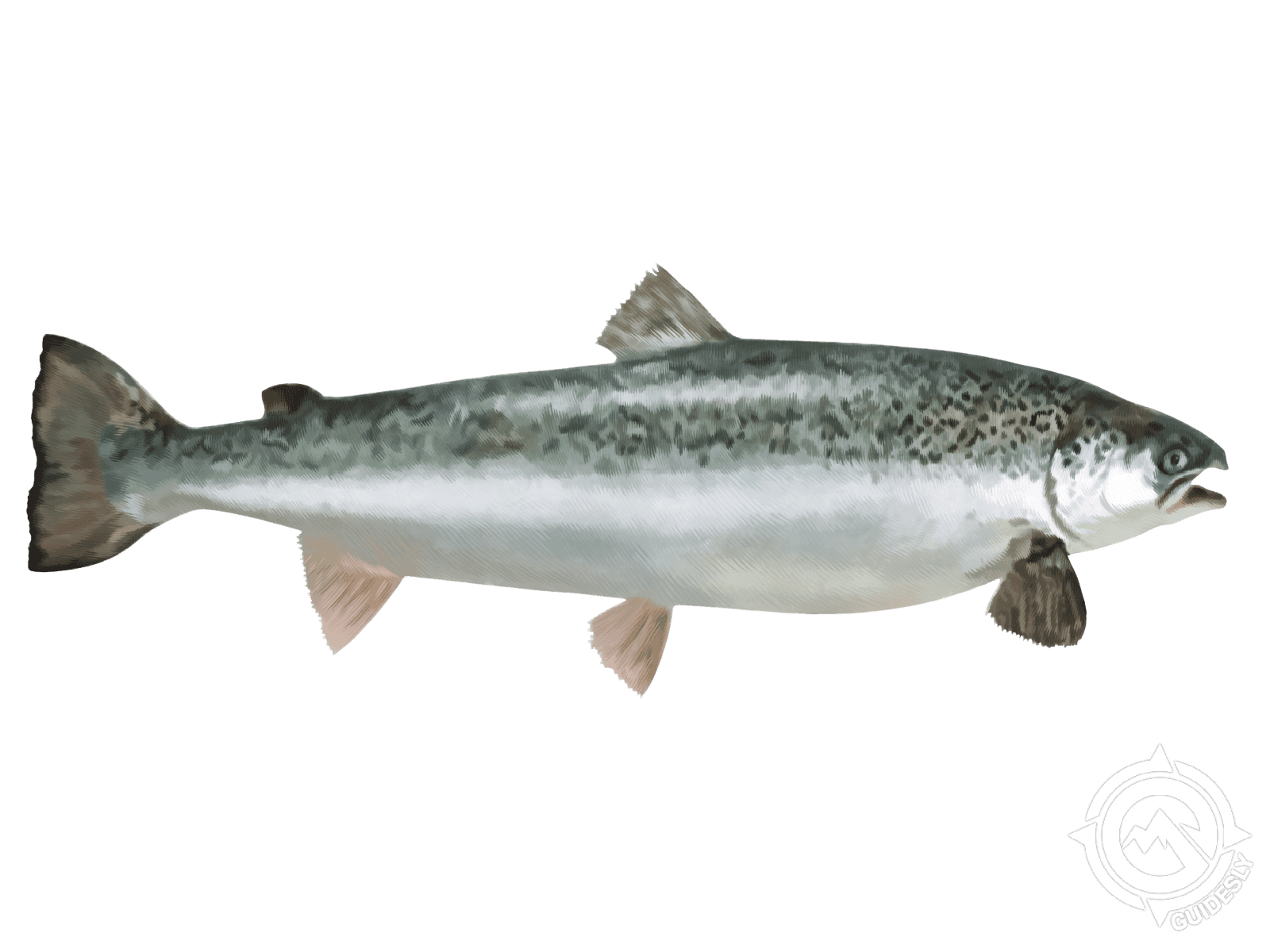
 Sea Trout
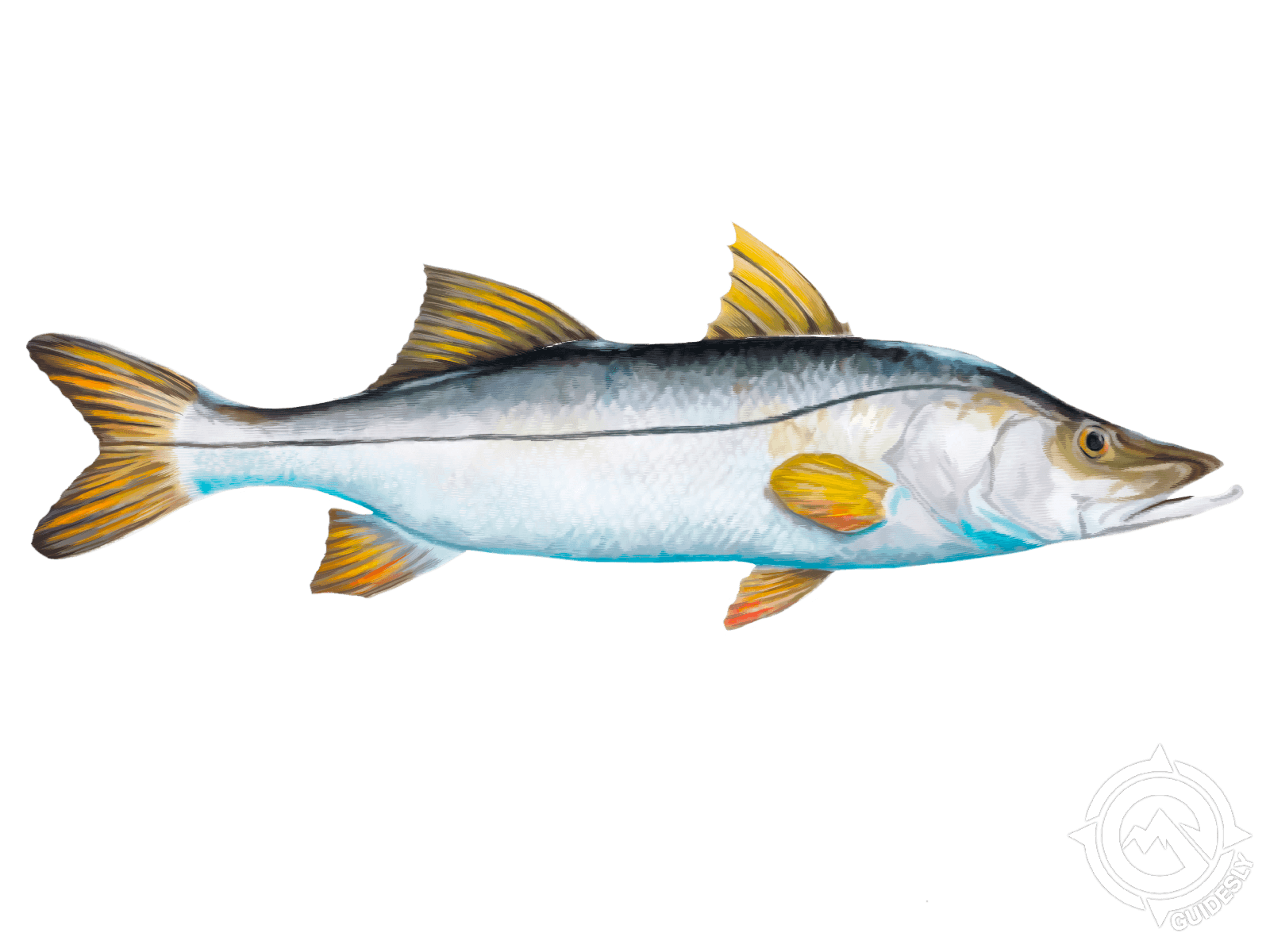
 Snook
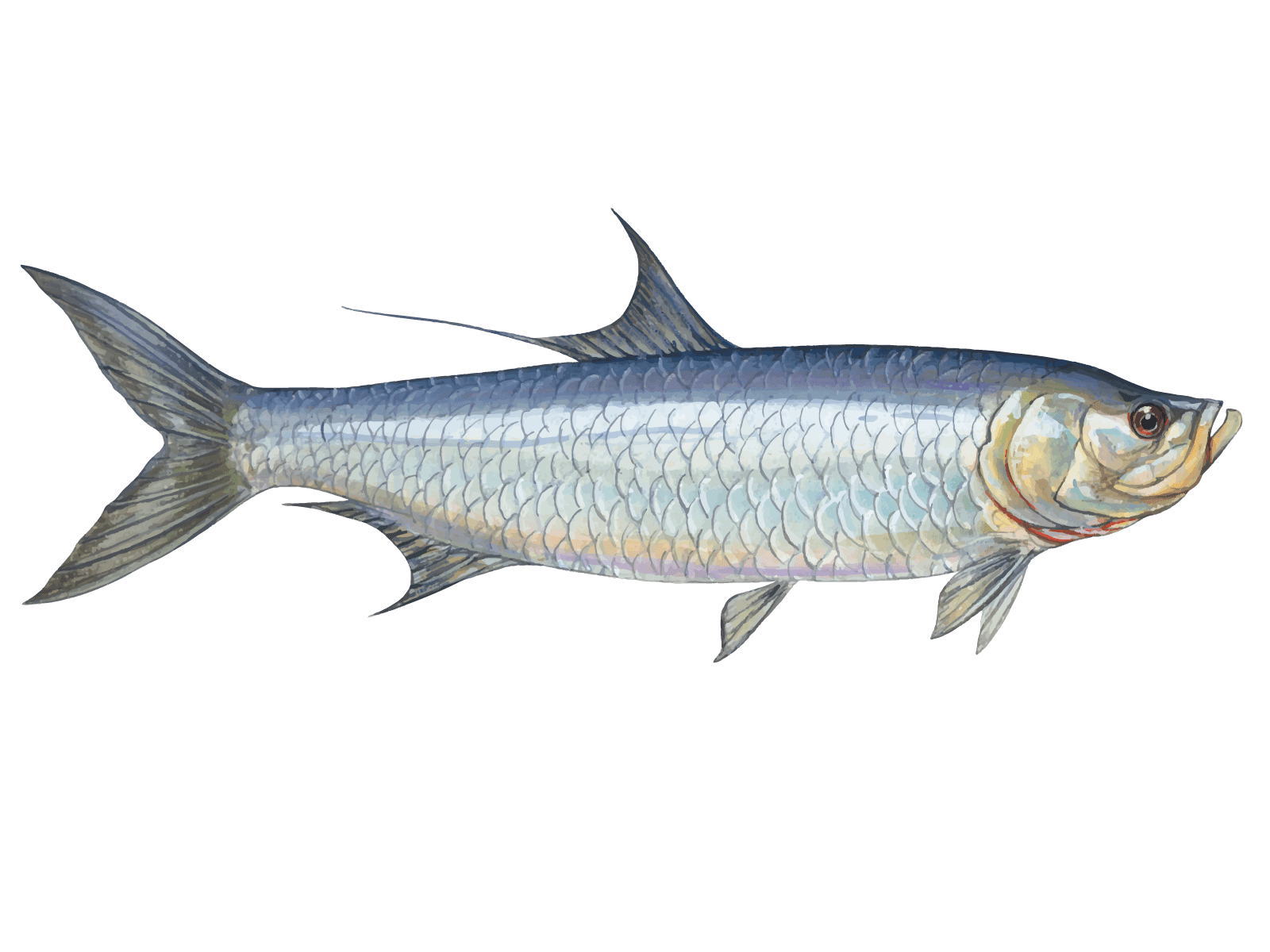
Snook Tarpon
- Join Sea Shift Charters for a 5-hour inshore fishing adventure around Cape Coral's best waters. You'll fish the backwaters near Sanibel Island, Captiva, and Fort Myers Beach, targeting tarpon, snook, redfish, and sea trout depending on the season. Our local guides know exactly where the fish are biting and will teach you proven techniques whether you're just starting out or have been fishing for years. All your gear is provided
- rods, reels, tackle, and bait
- so you just need to show up ready to fish. Perfect for groups up to 4 people looking to experience Florida's famous inshore fishing with knowledgeable guides who make it fun and productive.
Trip Pricing and Availabilities:
Inshore Fishing Charter Cape Coral – Premium Guide
Want to fish where the pros go? This 5-hour guided charter puts you right in the heart of Southwest Florida's most productive inshore waters. We're talking about the legendary flats around Sanibel Island, the grass beds near Captiva, and the mangrove shorelines that make Fort Myers Beach famous among serious anglers. Your captain knows these waters like the back of their hand, and they'll put you on fish whether you've been casting for decades or just picked up a rod yesterday. Groups up to 4 people get the full treatment – premium tackle, fresh bait, and the kind of local knowledge that turns good fishing days into great ones. No need to bring anything but your Florida fishing license and maybe some snacks if you get hungry between hookups.
What to Expect on the Water
Your day starts early when the fish are most active and the water's still calm. We'll cruise out to the prime spots where tarpon roll on the surface and snook lurk in the shadows of docks and bridges. The beauty of inshore fishing here is the variety – one minute you're sight-casting to a school of redfish cruising the shallows, the next you're working a live shrimp around structure hoping for that telltale thump of a big trout. The boat stays in protected waters, so you won't be dealing with rough seas or long runs to the fishing grounds. Instead, you'll spend your time actually fishing, learning how to read the water, and picking up techniques that'll make you a better angler. Your guide handles the boat positioning and knows exactly when to move if the action slows down. The whole experience is designed around maximizing your time with a line in the water.
Tackle Talk & Techniques
Everything's provided, from the rods and reels down to the hooks and sinkers. We're talking quality gear here – spinning reels spooled with fresh line, rods matched to the target species, and tackle boxes stocked with the lures and rigs that actually work in these waters. Depending on conditions and what's biting, you might be throwing topwater plugs at first light, bouncing jigs along the bottom for redfish, or suspending live bait under a cork near mangrove roots. Your guide will show you how to work each technique properly, when to set the hook, and how to fight fish without losing them at the boat. Live bait like shrimp, pilchards, and pinfish are the go-to options, but artificial lures shine when fish are actively feeding. The key is matching your presentation to what the fish want that particular day, and that's where local knowledge really pays off.
Customer Stories
"It was a windy day but Brian worked his butt off to get us on the fish, it was fast and furious action our whole trip" - Brian
Species You'll Want to Hook
Snook are the crown jewel of Southwest Florida inshore fishing, and for good reason. These ambush predators love structure – think dock pilings, mangrove overhangs, and bridge shadows where they can surprise their prey. They're notorious for their explosive strikes and acrobatic fights, often jumping clear out of the water when hooked. Best action typically happens during the warmer months from April through October, especially around dawn and dusk when they're actively feeding. A quality snook will run anywhere from 20 to 35 inches, with the bigger fish putting up fights that'll test your drag and your patience. What makes them special is their intelligence – they're not easy to fool, so landing one feels like you've really accomplished something.
Tarpon fishing around Cape Coral is legendary, and once you hook into one of these silver kings, you'll understand why. These prehistoric-looking fish can reach over 100 pounds and are famous for their spectacular aerial displays when hooked. Peak tarpon season runs from May through August, when massive schools migrate through our waters. Even a smaller tarpon in the 30-50 pound range will give you a workout you won't forget, often jumping repeatedly and making long, powerful runs that'll have your arms burning. The sight of a tarpon rolling on the surface is enough to get any angler's heart racing, and the opportunity to catch and release one of these magnificent fish is what brings anglers back year after year.
Sea trout might not have the glamour of tarpon or snook, but they're fantastic fish that'll keep your rod bent and your cooler full if you're keeping some for dinner. These spotted beauties are year-round residents in our grass flats and are relatively cooperative, making them perfect for beginners while still challenging enough for experienced anglers. They typically run 14 to 20 inches, with the occasional gator trout pushing over 24 inches and providing some serious excitement. Trout respond well to both live bait and artificial lures, and they're often the most consistent producers when other species are being finicky. Plus, they're excellent table fare, with white, flaky meat that's perfect for a fish fry.
Redfish are the workhorse of the inshore slam, and they're absolutely perfect for sight fishing in the shallow waters around Cape Coral. These copper-colored fighters are known for their powerful runs and stubborn fighting style – they won't jump like a tarpon, but they'll pull drag and test your endurance. Reds are available year-round, though fall and winter often produce the best action when they school up in large numbers. The thrill of watching a redfish crush a topwater lure in shallow water is hard to beat, and their distinctive spot near the tail makes them easy to identify. Most fish will be in the 20-28 inch range, with the bigger bull reds occasionally showing up to really bend your rod.
Time to Book Your Spot
This isn't just another fishing trip – it's your chance to fish some of Florida's most productive inshore waters with someone who knows where the fish live and how to catch them. Whether you
Customer Review
Fast Furious Fishing

Brian Dorcey
March 29, 2025
Learn more about the species
Redfish
Redfish are the perfect inshore target - aggressive, great fighters, and beautiful fish with those distinctive black spots near the tail. Around Cape Coral, most reds run 18-27 inches, with slot-size fish offering the best action. You'll find them tailing in 6 inches to cruising deeper flats in 4 feet, especially around oyster bars and mangrove shorelines. They bite year-round but fall and winter bring the most consistent fishing. What makes reds special is their willingness to eat topwater lures in skinny water - explosive strikes that get your heart pumping. Plus, they're excellent eating with sweet, firm meat. Local tip: look for nervous water or mud trails where they're rooting for crabs. A gold spoon worked fast over grass flats triggers reaction strikes when they're finicky.
Sea Trout
Speckled trout are the bread and butter of our grass flats, perfect for anglers wanting consistent action. These spotted beauties typically run 14-20 inches with occasional "gator trout" over 24 inches. They cruise grass flats and sandy potholes in 2-6 feet, especially around dawn and dusk. Cooler months from October through March bring the best fishing when they school up in deeper holes. Trout have soft mouths and fight with quick runs and head shakes. The white, flaky meat is outstanding table fare when not overcooked. They're sight feeders, so clear water helps. Try this: work a soft plastic shrimp or DOA jig slowly across grass beds, making it look like easy prey. Set the hook gently - their mouths tear easily with too much pressure.
Snook
Snook are one of Southwest Florida's premier gamefish, easily recognized by that bold black lateral line running down their golden sides. Most fish we catch run 18-28 inches, though the big females can push 40+ inches. They love structure - mangroves, docks, bridges, and oyster bars in 2-10 feet of water. Best fishing happens during warmer months when water temps stay above 70°F. They're ambush predators with lightning-fast strikes and strong runs that'll test your drag. The meat is excellent - firm, white, and mild. Here's a local trick: cast your live shrimp or pinfish just upcurrent of the structure and let it drift naturally into the strike zone. Keep your rod tip low when they hit to avoid those famous head-shaking jumps that throw hooks.
Tarpon
The "Silver King" is what fishing dreams are made of around here. These prehistoric giants average 80-150 pounds in our waters, though we see fish over 200 pounds during peak season. Look for them rolling in channels, around bridges, and over grass flats in 4-15 feet. May through August is prime time when they migrate through Southwest Florida. What makes tarpon special isn't the table fare - we release every one - it's those heart-stopping jumps and bulldogging runs that can last 30 minutes. Their gill rakers are like razors, so never lip one. My go-to technique: position yourself upcurrent from rolling fish and let a live crab or mullet drift down naturally. When they eat, bow to the king on that first jump to keep tension off the line.
About the Sea Shift Charters
%2F%2Fusers%2F67559bf6-c7d2-44d3-81eb-0889b7642257%2Fvehicle_picture%2Fboatpic4.jpg&w=1920&q=75)
Vehicle Guest Capacity: 6
Manufacturer Name: Yamaha
Maximum Cruising Speed: 36
Number of Engines: 1
Horsepower per Engine: 175

It was a windy day but Brian worked his butt off to get us on the fish, it was fast and furious action our whole trip